
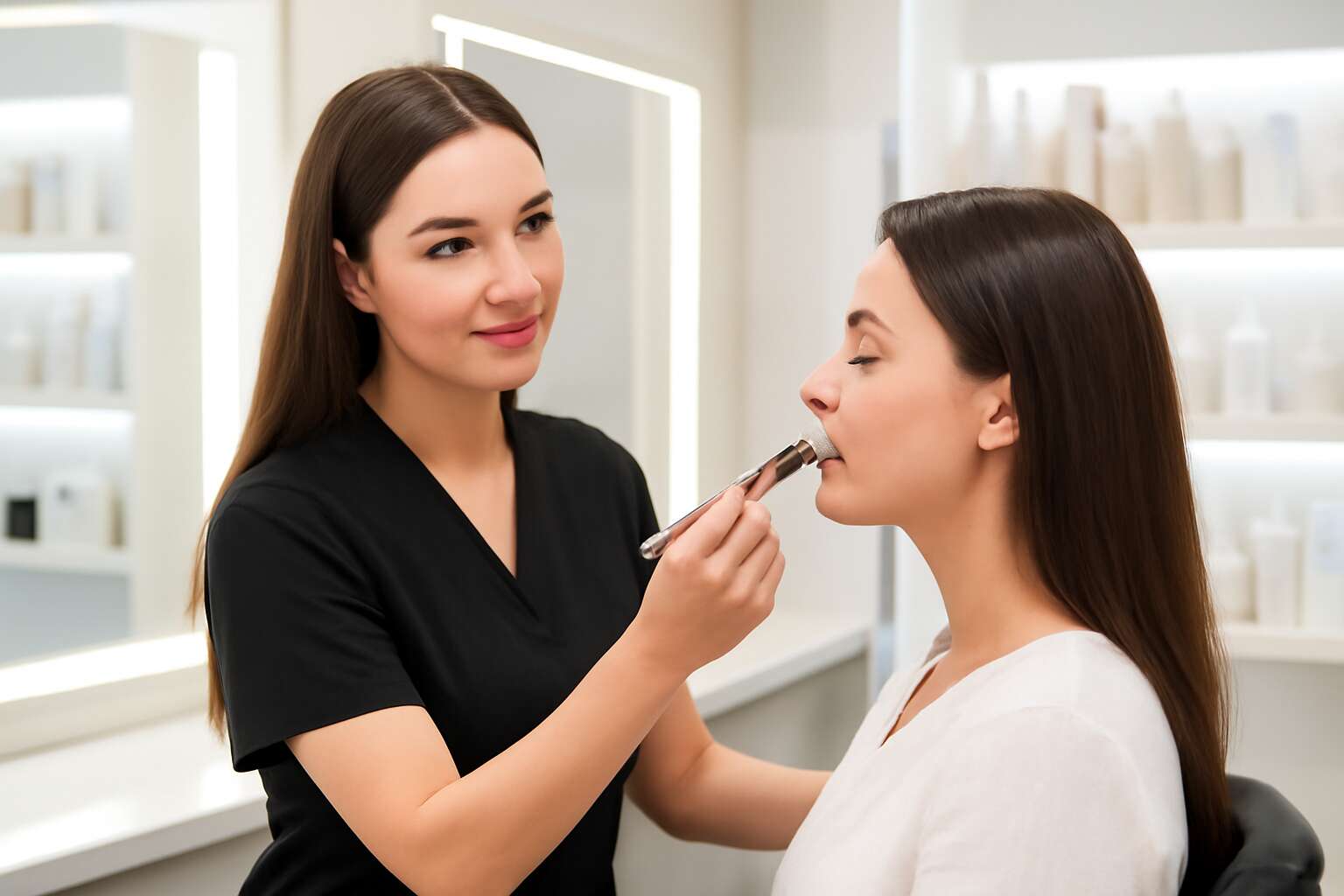
Overview of a Beautician Career
What does a beautician do?
In a city where confidence is a daily accessory, beauty work opens doors you didn’t expect. The question many SA readers ask: is beautician a good career — and the answer glides on craft and intent. “A good facial changes my week,” a client told me, and the truth lands like soothing balm.
From skin analysis to treatment delivery, the rhythm is precise. Core duties include:
- Skin analysis and consultations
- Facials, waxing, lashes, and nails
- Aftercare advice and record-keeping
In South Africa, salons, spas and mobile clinics offer steady demand and room to grow. A beautician builds skills, reliability, and a client-friendly presence. If you’re wondering is beautician a good career, the answer lives in craft, care, and flexible hours.
Who is a typical beautician for?
In South Africa, a career in beauty often begins with curiosity and ends with a steady stream of compliments. When you ask, is beautician a good career, the answer is less a slogan and more a rhythm of skin analysis, treatment, and client connection.
A typical beautician thrives on people skills, an artistic eye, and the patience to explain aftercare—no cape required, just a tidy kit and a good chat. They come from diverse backgrounds—art, science, hospitality—and learn through hands-on practice in salons, spas, or mobile clinics.
- Strong communication and a calm demeanor
- Attention to detail and precision
- Flexibility in hours and environments
- Genuine interest in skincare trends
In short, the career is rewarding for those who blend creativity, reliability, and a client-friendly vibe.
Industry demand and job outlook
South Africa’s beauty sector has shown resilience, with skincare and wellness driving steady client demand across cities. The question: is beautician a good career? The answer sits in everyday client trust, ongoing training, and the capacity to tailor treatments to changing trends.
Industry demand remains steady across salons, spas, clinics, and mobile services. When you pair hands-on skills with reliable service, job prospects stay bright as consumer interest in self-care grows. You can feel it in the bookings.
- Growing demand for skincare and facial treatments
- Flexible hours and mobile service models
- Clear pathways through SA training and apprenticeships
In SA, employers consistently seek people skills, precision, and ongoing trend awareness, with opportunities spread across urban hubs and coastal towns. The question— is beautician a good career — can sound subjective, yet the market shows steady demand.
Common work settings and roles
Beauty careers in South Africa are a durable, client-first craft. A sharp mix of listening, technique, and charm keeps bookings steady. is beautician a good career? The answer sits in client trust, ongoing training, and the ability to tailor treatments to trends.
Common work settings and roles include salons, spas, clinics, and mobile services.
- Salons and boutique studios
- Spas and wellness centres
- Clinics and dermatology practices
- Mobile and in-home services
The field rewards hands-on skills and trend awareness, with flexible hours and steady demand.
Education, Certifications, and Training Pathways
Required education and licensing by region
In South Africa, is beautician a good career? Education is the first heartbeat. Aspiring pros enroll in TVET colleges or private academies for a Beauty Therapy certificate aligned to the NQF, typically levels 2 to 4. The blend of technique and client care keeps this field resilient and in demand.
Certifications and licensing by region: South Africa follows SAQA-aligned qualifications; no single national beautician license exists. International credentials such as CIDESCO or SAAHSP boost credibility, and ongoing hygiene training remains essential for employment across provinces.
Training Pathways by region stay practical and diverse:
- National Certificate in Beauty Therapy (NQF 2–4) — TVET colleges
- Diploma in Beauty Therapy (NQF 4–5) — private institutes
- CIDESCO or SAAHSP certifications — international recognition
- Short courses in waxing, nails, makeup — regional offerings
Popular cosmetology programs and duration
Education forms the first heartbeat of a beauty career in South Africa. Aspiring pros enroll in TVET colleges or private academies for a Beauty Therapy certificate aligned to the NQF, typically levels 2 to 4. This blend of technique and client care keeps the field resilient and in demand.
Certifications and licensing are regionally varied. South Africa follows SAQA-aligned qualifications; no single national beautician license exists. International credentials such as CIDESCO or SAAHSP boost credibility, and ongoing hygiene training remains essential for employment across provinces. is beautician a good career for those seeking stability.
Training Pathways by region stay practical and diverse:
- National Certificate in Beauty Therapy (NQF 2–4) — 6 to 12 months
- Diploma in Beauty Therapy (NQF 4–5) — 12 to 24 months
- CIDESCO or SAAHSP certifications — 6 to 18 months
- Short courses in waxing, nails, makeup — a few weeks to months
Continuing education and specialization options
Education is the first heartbeat of a beauty career in South Africa, where client visits rose by about 12% last year. Aspiring pros pursue a Beauty Therapy certificate through TVET colleges or private academies, aligned to the NQF levels 2–4. A precise blend of technique and client care keeps the field resilient and in demand.
Certifications shape credibility across provinces. SAQA-aligned qualifications exist, with no single national license. International credentials like CIDESCO or SAAHSP add weight, and ongoing hygiene training remains essential.
- National Certificate in Beauty Therapy (NQF 2–4)
- Diploma in Beauty Therapy (NQF 4–5)
- CIDESCO or SAAHSP certifications
- Short courses in waxing, nails, makeup
Training pathways stay practical and varied, while continuing education fuels specialization—advanced skincare, spa therapies, makeup artistry, masterclasses, and business courses that sharpen client-management skills. So, is beautician a good career? The answer lies in ongoing study and the doors these credentials open.
Cost, scholarships, and return on investment
Education is the seed of a beauty career in South Africa. A National Certificate in Beauty Therapy (NQF 2–4) at a TVET college or private academy typically costs between R8,000 and R25,000 per level, with materials included. This practical training blends technique with client care, forging a reliable craft that travels from clinics to salons.
Certifications carry credibility across provinces. SAQA-aligned qualifications exist, while CIDESCO or SAAHSP credentials add weight; ongoing hygiene training remains essential. So, is beautician a good career? It often shines when credentials unlock advanced skincare, spa therapies, and leadership roles.
Training pathways stay varied, and costs meet the promise of return on investment. Scholarships and bursaries from TVETs, SETAs, and private colleges ease the burden; ROI reveals itself in higher earnings, repeat clients, and longer career horizons.
- Scholarships and bursaries from TVETs, SETAs, and private colleges
- Employer sponsorships and in-house training programs
Skills, Tools, and Daily Responsibilities
Core technical skills (facials, makeup, waxing, manicure)
From Cape Town’s sunlit studios to Johannesburg’s bustling beauty hubs, South Africa’s salon culture hums with possibility. The question “is beautician a good career”—and the answer glows when technique meets empathy, turning careful touch into client confidence and everyday magic. I’ve seen this craft transform lives, letting talent flourish through practice, reputation, and meaningful connections.
- Facials and skin analysis
- Makeup artistry for day-to-night looks
- Waxing and hair removal with client comfort
- Manicures, pedicures, and nail maintenance
Tools of the trade range from precision brushes and stainless-steel implements to sanitation devices that guard safety like ceremonial wards. Daily responsibilities weave consultations, treatment preparation, service execution, and aftercare guidance into a graceful rhythm, with spotless hygiene and warm customer care anchoring every appointment.
Customer service and client communication
Skills in this line of work fuse precise technique with genuine listening. A beautician shapes results that feel personal, building client confidence and trust. For many, “is beautician a good career” depends on how you pair craft with care.
Tools and daily routines: you’ll work with high-grade brushes, stainless implements, and sanitation systems to keep every appointment safe. Your day weaves consult, space prep, service, and tidy post-care notes in a calm, consistent tempo!
- Active listening to understand needs
- Clear explanations of treatments and aftercare
- Respect for privacy and cultural sensitivity
Customer service and client communication: empathy, observation, and clear pacing help visits turn into repeat bookings and referrals. Reading skin cues and mood allows you to adapt tone and guidance mid-session.
Industry tools and products you should know
In SA beauty clinics, client retention climbs about 60% when services feel personal and precise. Is beautician a good career? For many, the answer rests on how you blend craft with care.
Industry tools and products you should know include high-grade brushes, stainless implements, and sanitation systems that keep every appointment safe. For a broader toolkit, consider the following:
- Professional-grade brushes and applicators
- Sterilization equipment and compliant sanitation supplies
- Quality skincare serums, masks, and waxes
- Disposable items and personal protective gear
Daily responsibilities weave client consults, service execution, and tidy post-care notes into a calm rhythm in SA salons. You’ll read skin cues, maintain privacy, and keep records, all while upholding hygiene and safety standards.
Health, safety, and hygiene standards
Across SA salons, client retention climbs about 60% when services feel personal and precise. The question many ask is “is beautician a good career”—a chorus echoing through markets and mirrors, where craft meets care. Beauty here blends artistry with hygiene, offering ongoing learning, varied client journeys, and a platform to grow alongside ever-evolving wellness standards.
Skills and tools are the twin pillars of daily practice. The following essentials keep SA clinics compliant and confident:
- Precision implements and ergonomically designed brushes
- Sterilization workflows and compliant sanitation supplies
- Dermal-friendly formulations and wax options
- Single-use items and appropriate PPE
Daily responsibilities weave client consults, service execution, and tidy post-care notes into a calm salon rhythm. Privacy is preserved, records are kept, and hygiene standards stay uncompromised, from sanitation to waste disposal, reflecting the country’s commitment to safe beauty practices.
Portfolio building and demonstrating results
Across SA salons, client retention climbs about 60% when services feel personal and precise. That knack for turning careful technique into trust is what makes is beautician a good career for many. A portfolio that shows real results—from smoother skin to lasting confidence—speaks louder than any résumé.
Skills and tools shine in a portfolio by capturing how you apply precision implements and ergonomically designed brushes, adhere to sterilization workflows, and select dermal-friendly formulations. Include snapshots of technique and product choices that demonstrate safety, comfort, and effectiveness.
Daily responsibilities register as client consultations, service execution, and tidy post-care notes. Demonstrate results with privacy-respecting records and organized progress logs. This is the moment when many ask: is beautician a good career. Build your portfolio with elements such as:
- Before-and-after imagery
- Client testimonials and satisfaction notes
- Treatment plans, timelines, and progress indicators
- Certificates or courses completed that relate to services
Career Prospects, Benefits, and Challenges
Salary ranges and earning potential by region
For many, is beautician a good career? In South Africa, the answer isn’t a dusty textbook—it’s a buzzing marketplace where talent meets repeat clients and real income.
Career prospects are bright: salons expand, mobile services gain traction, and skincare specializations unlock higher earnings. Indeed, is beautician a good career? Many find it’s a blend of craft and client care. Benefits include flexible hours, client loyalty, and opportunities to build your own brand.
Challenges include price competition, constant product changes, and the need for ongoing training to stay compliant and current. It’s a physical gig—standing, stirring, and weekend hustle—so stamina and a sense of humor help.
Salary ranges and earning potential by region:
- Gauteng: R6,000–R16,000 monthly; higher in boutique or medical-esthetics roles.
- Western Cape: R5,500–R15,000 monthly; Cape Town salons often pay more.
- KwaZulu-Natal: R5,000–R12,000 monthly; tips boost take-home.
- Eastern Cape: R4,500–R11,000 monthly; earnings vary by location.
Career pathways (independent, salon, spa, self-employment)
In South Africa’s bustling beauty scene, demand and repeat clients drive the market—not just novelty. So, is beautician a good career? The answer leans toward resilience, creativity, and solid earning potential across salons, mobile services, and boutique brands.
Benefits include flexible hours, strong client relationships, and the chance to craft a personal brand that travels with your toolkit. The work is tactile and immediate—results show in smiles and glow!
Career pathways include:
- Independent, self-employed mobile services
- Salon staff or franchise roles
- Spa or medical-esthetics settings
- Entrepreneurial branding and product collaborations
Challenges include price competition, rapid product changes, and the need for ongoing training to stay compliant and current. It’s a physically demanding job—standing, lifting, and weekend hustle—so stamina and a sense of humor help.
Benefits, flexibility, and work-life balance
In South Africa’s beauty scene, repeat clients fuel growth even as trends shift. So, is beautician a good career? The case rests on resilience, creativity, and solid earning potential across salons, mobile services, and boutique brands across urban and rural SA.
Benefits include flexible hours, strong client relationships, and the chance to craft a personal brand that travels with a portable toolkit.
- Flexible scheduling in varied settings from salons to pop-up booths
- Loyal, repeat clients who value consistency and care
- Portable brand building that travels with your toolkit
Challenges include price competition, rapid product changes, and ongoing training to stay compliant and current. It’s a physically demanding job—standing, lifting, and weekend hustle—so stamina and a sense of humor help. For many, is beautician a good career when approached with care, learning, and community support.
Common challenges and burnout prevention
That common question—is beautician a good career? In South Africa, artistry meets grit, delivering steady work across cities and towns even as trends swirl.
Career prospects span salons, mobile services, and boutique brands, with room to evolve from junior roles to entrepreneurship as demand broadens in SA’s service economy.
Benefits include autonomy to craft a niche, portable branding through varied gigs, and the satisfaction of shaping client experiences across different communities.
Challenges exist—physical strain, scheduling pressures, and staying current with rapid product shifts. Burnout prevention hinges on boundaries, rest, and community support.
- Set clear hours and mandatory breaks
- Schedule regular days off to recharge
- Rotate service types to ease repetitive strain
- Build a peer network for feedback and encouragement
Tips to advance quickly (certifications, niche markets)
South Africa’s beauty sector is a multi‑billion‑rand footprint, threading through cities and towns with steady demand. Many ask: is beautician a good career, and the answer tends toward yes. It blends technical skill with people, yielding reliable work across salons, mobile services, and boutique brands.
Career prospects span established salons, mobile services, and brand collaborations. Benefits include autonomy to craft a niche, portable branding, and the satisfaction of shaping client experiences across diverse communities. To advance quickly, seek certifications in skincare or makeup and explore niche markets like bridal beauty, corporate events, or mobile spa services.
Challenges exist—keeping pace with shifting products and client expectations, plus the logistics of flexible scheduling. To advance, pursue targeted certifications and build collaborations across communities.


0 Comments