
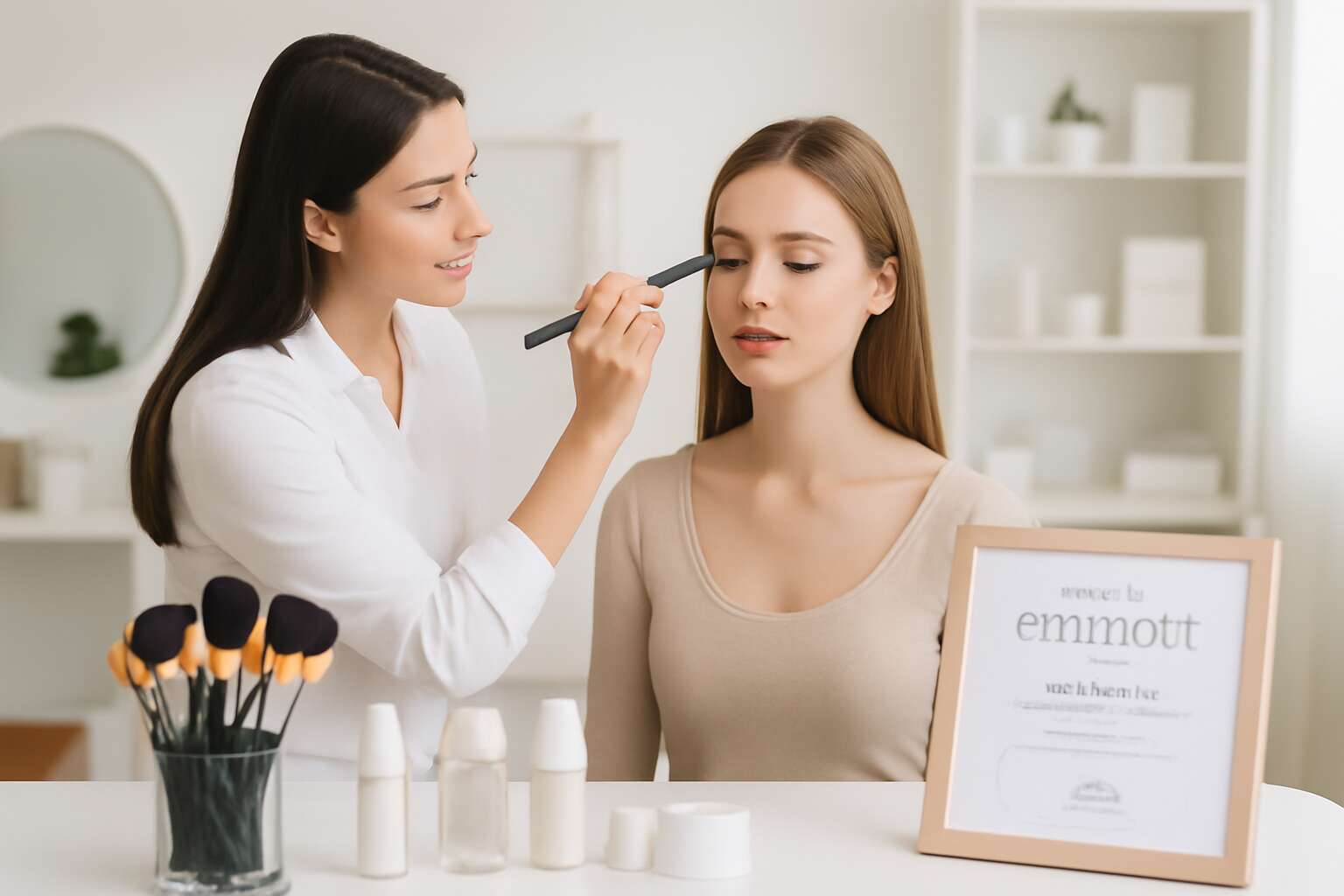
Understanding Beautician Courses
In the dimly lit corridors of SA beauty schools, I learned the right training feels like a lantern in dusk—deliberate, necessary, singular. A striking statistic from industry surveys shows that 82% of clients trust a salon more when technicians bear formal beautician coursework. The question is not merely what you learn, but which path sustains artistry and credibility as the years fold over the mirror.
Understanding beautician courses means peering into their scope and soul. Consider this outline of core focus areas:
- Skin science, hygiene, and client safety
- Waxing, removal, and lash/brow treatments
- Makeup artistry and corrective techniques
- Salon etiquette and hygiene basics
Ultimately, I have learned that the answer to which beautician course is best rests on your aligned purpose and the real-world reach you seek.
How to Choose the Best Beautician Course for You
A recent industry survey found that 82% of clients trust salons more when technicians have formal beautician coursework. That trust signals accountability and a standard clients can feel. As you climb the reflective ladder of choice, which beautician course is best becomes less about glossy brochures and more about purpose.
In South Africa’s beauty scene, the long arc matters: serving communities from coast to Highveld, balancing rigor with compassionate care, and ensuring artistry endures as hours mount. A program that blends theory with hands-on practice and mentors in real salons can offer steadiness when the industry shifts.
Choose a path that aligns with your values—safety, client rapport, and ethical practice—and that remains agile beyond a single salon or city. Your course choice should echo the South African tapestry of clients and settings, grounding artistry in accountability rather than trend-chasing.
Popular Specializations and Pathways
Across South Africa, 82% of clients trust salons more when technicians have formal beautician coursework. That trust signals accountability and a standard clients carry into every session. When mulling options, the question shifts from glossy brochures to genuine purpose—which specialization truly serves communities from Cape Town to the Highveld?
Popular specializations and pathways stay relevant as trends swirl, blending theory with real salon time and a mentor’s seasoned eye.
- Skincare and facial therapy
- Lash and brow artistry
- Nail technology and spa manicures
- Makeup artistry for events
In SA, these routes tie to safety, client rapport, and ethical practice, grounding artistry in accountability rather than chasing trends. If you’re weighing which beautician course is best, align your path with the country’s tapestry and the lasting skills you’ll carry into any salon or community clinic.
Career Outcomes, Licensing, and Next Steps
Across South Africa, the voyage toward which beautician course is best unfolds from serene spa rooms to bustling community clinics. Formal coursework becomes a beacon of trust, accountability, and steady employment, a lighthouse that guides practitioners from Cape Town to the Highveld. The right path blends purpose with professional rigor, turning artistry into enduring service.
Licensing and certification anchor this journey. In SA, programs aligned with SAQA standards and SETA accreditation are like runes that open doors to recognized diplomas or certificates. These credentials signal safety, client rapport, and ethical practice, turning artistry into a durable vocation rather than a fading trend.
- Accreditation and licensing alignment
- Curriculum fit with community impact
- Mentorship and hands-on time
Next steps remain thoughtful and guided—consider these checkpoints as you compare options and carve a future in local salons and clinics.
0 Comments