
Cosmetology School Overview
What a cosmetology program covers and key skill sets
In South Africa’s bustling salons, the difference between talent and trust is sharpened in a beautician school. A veteran studio owner often says, “Education is the passport to credibility.” That spark—where theory meets practice—drives newcomers toward certified beauty careers and lasting client relationships!
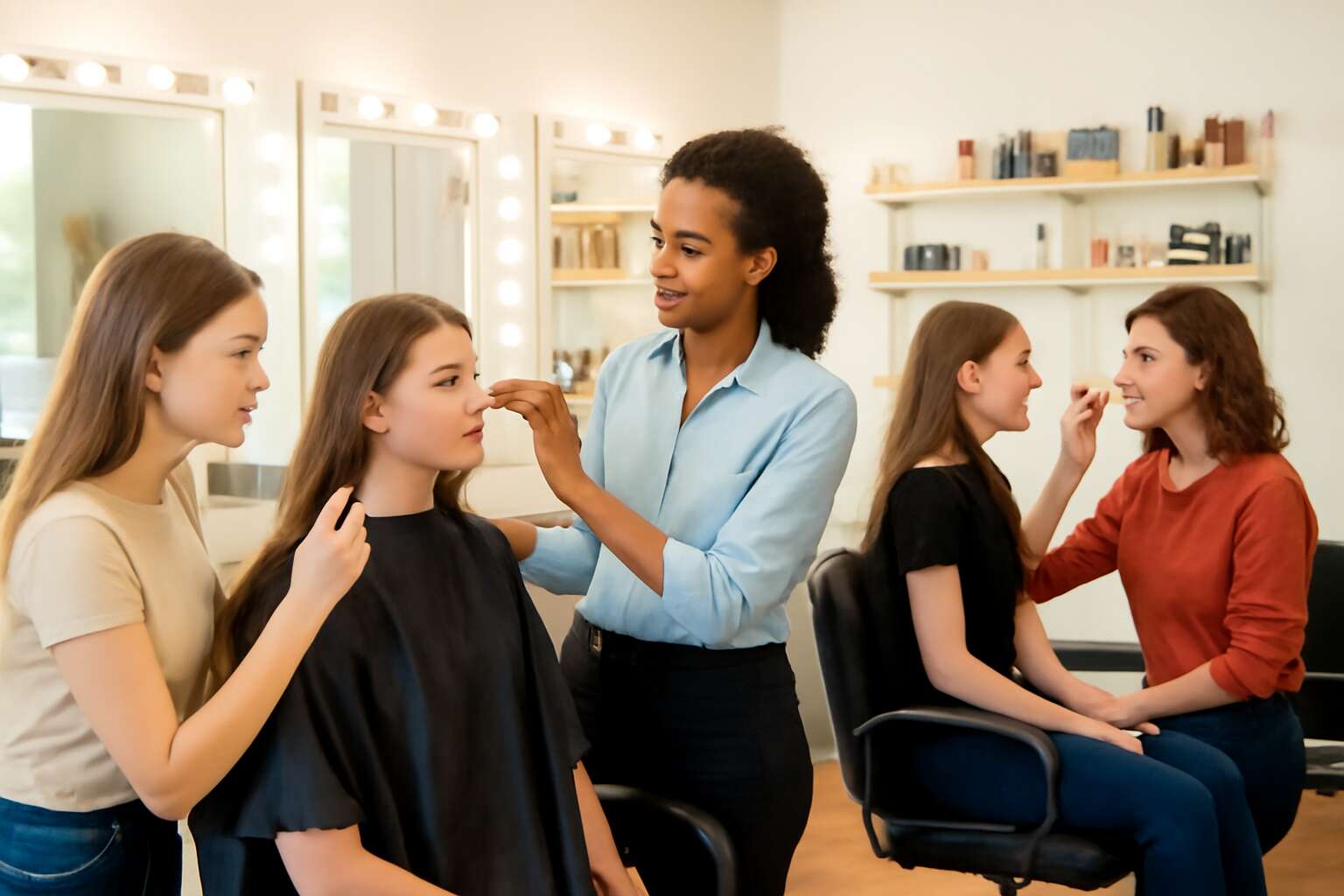
Cosmetology School Overview reveals a curriculum that blends science and artistry. Expect modules on skin anatomy, hair removal, color theory, manicures, and makeup artistry, all paired with sanitation, safety, and client communication. Theory is tempered with demonstrations, supervised practice, and real-world clinic hours.
Key skill sets emerge: precise technique, time management, empathy, and the ability to tailor services for diverse clients. Graduates leave with a portfolio-ready repertoire and business basics that empower entrepreneurship and steady opportunities across South Africa’s cities, where the beautician school mindset opens doors.
Typical duration and class structure
In South Africa’s busy salons, progress is measured not only by certificates but by how quickly you translate training into trust. A solid cosmetology path turns time into client-ready skill. The typical beautician school program blends theory with hands-on practice, building a professional rhythm from day one!
- Full-time: 9–12 months
- Part-time: 12–18 months
- Accelerated options: 6–9 months (select tracks)
Duration varies by mode: full-time 9–12 months, part-time 12–18 months, and accelerated options for select tracks. The class structure typically alternates lectures, practical labs, and clinic shifts, with milestone assessments that gauge technical growth and client care. Students move toward a portfolio-ready repertoire while absorbing business basics that keep opportunities alive in SA’s crowded markets.
Hands-on training vs. theory balance
“Technique earns trust before your business card does,” a seasoned mentor in SA salons likes to say. In a landscape where client expectations outpace foot traffic, a sharp balance between hands-on training and theory can be the difference between a debut and a reputation.
Hands-on training vs theory balance: practical labs build muscle memory for brushes, lashes, and skincare routines, while theory clarifies why choices matter—sanitation, anatomy, product chemistry, and ethics.
- Hands-on training: client consultations, service execution, workflow efficiency
- Theory: anatomy and physiology, product knowledge, safety standards
A well-balanced beautician school threads these strands, turning classroom lessons into confident client care and a portfolio that speaks.
Accreditation and licensing prerequisites
Trust in beauty is a quiet currency, earned long before the first client sits in your chair in SA salons. A seasoned mentor once whispered that hygiene writes the opening line of any service. Within a respected beautician school, accreditation shapes the craft, turning ambition into disciplined practice.
Cosmetology education rests on two pillars: accreditation and licensing prerequisites that turn a diploma into real-world proof. Seek SAQA registration, an NQF-aligned curriculum, and QCTO or DHET recognition that ties theory to practice. These guardrails ensure qualifications the industry respects.
- SAQA/NQF alignment
- QCTO or DHET registration
- Industry internships
Enrollment prerequisites are modest: minimum age, a school-leaving certificate, and basic language proficiency; an ID and health check may be requested. A credible program also clarifies apprenticeship and professional registration paths, so the journey from classroom to chair remains clear.
Choosing the Right Beauty School
Evaluating curriculum, specialties, and elective tracks
Beauty, blessedly, rewards the curious. A sharp eye for what a program promises can save you years of drift. “Great beauty starts with a great education,” a veteran salon owner often says, and in South Africa that sentiment translates into clear choices and confident futures!
When selecting a beautician school, evaluate the curriculum’s relevance, the range of specialties, and the availability of elective tracks. Your choice should align with the services you wish to offer—from skincare and makeup artistry to spa therapies and nail excellence. Look for updated modules, guest demonstrations, and structured clinics.
- Curriculum that blends theory with hands-on practice and modern techniques
- Specialties offered and how elective tracks map to your career goals
- Internships, placement support, and real-client experiences
In the end, the right path feels like a well-timed appointment—precise, pleasant, and promising.
Campus facilities and student support services
‘Great beauty starts with a great education,’ a veteran salon owner often says. In South Africa, that creed translates into campuses that feel like second homes—bright, practical, and alive with possibility. Choosing the right beautician school means inspecting not just the syllabus, but the atmosphere that will cradle your passion and sharpen your craft.
Consider these on-campus advantages:
- On-site client clinics where real appointments unfold
- Fully equipped treatment rooms and modern labs for hands-on practice
- Comprehensive student support: counselors, study skills coaching, and tutoring
- Career services: placement guidance, portfolio reviews, and alumni networks
Access to mentoring, tutoring, and wellness resources ensures your resilience mirrors your skill. The facilities you train in are the stage; the support you gain is the spotlight on your journey through South Africa.
Tuition, financial aid, and cost of attendance
Tuition isn’t just a price tag—it’s the map to your first salon chair. In South Africa, choosing the right beautician school means weighing what the fee covers, from kits to hands-on clinics and outcomes. The right school turns cost into a clear, investable plan.
Expect transparent line items: tuition, kits, uniform, licensure fees, and any lab charges. Financial aid can come via bursaries, government plans, or structured payment options. Some campuses bundle costs into one inclusive fee; others bill step by step—clarity here saves surprises.
To compare effectively, consider:
- Access to timely refunds and credit transfers
- What the kit includes and if replacements are covered
- Eligibility for bursaries, scholarships, or employer sponsorships
- Financial aid deadlines and study-loan terms
Cost is a compass, not a verdict. Choose a beautician school that aligns with your ambitions, supports your training, and links you to the beauty industry’s vibrant network.
Location, schedule options, and online components
Choosing the right location is more than geography; it’s a doorway to industry immersion. In South Africa, the campus you pick can become a hub where mentors, clinics, and client flow converge. A seasoned stylist once whispered, “Your toolkit is your passport,” and the best campuses place that passport within easy reach of real-world practice.
Consider the rhythms of life when you map schedule options—evenings, weekends, or blended formats that keep studying alongside work. Visiting a beautician school campus can reveal class rhythms and the energy of student life. Online components then extend the journey, letting theory travel with you.
- Location accessibility and ties to local salons and clinics
- Flexible scheduling options (evenings, weekends, part-time, blended)
- Robust online components (virtual demos, digital labs, resources)
Together, these elements turn the program into a launchpad, where craft and community fuse into a bright future.
Curriculum and Certification Pathways
Core cosmetology modules: hair, skin, nails, makeup
In South Africa’s booming beauty market, hands-on training pays off fast—nearly 80% land salon roles within three months!
A solid pathway begins at a reputable beautician school, where the curriculum ties together hair, skin, nails, and makeup into a cohesive skill set.
Core modules you will master include:
- Hair
- Skin
- Nails
- Makeup
Certification Pathways: The program aligns with SA industry credentials and licensing prerequisites, often culminating in a trade assessment and opening doors to diplomas and professional certificates.
Advanced treatments and technical certifications
A passport to beauty mastery isn’t handed on a whim—it’s earned through a rigorous curriculum and credible certification pathways. In South Africa, the industry rewards hands-on mastery that translates to real salon impact within a reputable beautician school.
Curriculum and Certification Pathways: Advanced treatments and technical certifications await those who dive in. Examples you might encounter.
- Advanced Skin Therapies: peels, microdermabrasion, LED therapy
- Lash and Brow Specialist certifications
- Waxing and Body Treatments with safety and sanitation standards
- Makeup Artistry for editorial and commercial work
These credentials align with South African industry standards and often culminate in diplomas or professional certificates, expanding career mobility in the beautician school ecosystem.
Licensing exam prep and practical requirements
Specializations and continuing education opportunities
A strong curriculum in a beautician school doubles as a compass for creativity and a passport to professional independence. In South Africa’s vibrant salon scene, students study skin science, hair physiology, and the art of client care with equal rigor. The best programs blend theory and hands-on practice, so every service feels confident and human, not rushed.
- Core certifications: SAQA-aligned diplomas and national qualifications
- Specializations: hair styling, skincare, makeup artistry, nails, lash and brow design
- International credentials: CIDESCO, CIBTAC, ITEC where available
- Electives and micro-credentials: eyelash extensions, waxing, spa therapies
Beyond graduation, continuing education opportunities keep skills sharp and portfolios fresh—masterclasses, online micro-credentials, and salon partnerships that bring the latest techniques to real-world client care for graduates of a beautician school.
Career Outcomes and Industry Opportunities
Typical career paths after graduation
Careers after you graduate from a beautician school are not fixed; they’re a constellation waiting to be charted. In South Africa’s thriving beauty scene, trained hands move from salons to spa rooms, turning talent into service. “Beauty is a language you wear,” a senior stylist once said, and the right training gives you a fluent voice.
Possible career paths after graduation include:
- Salon stylist or hair and makeup technician
- Spa technician or wellness specialist
- Bridal and special-occasion makeup artist
- Beauty product consultant and retailer or brand educator
- Freelance mobile beauty services or on-location client artist
Beyond the shop floor, opportunities ripple through fashion and media shoots, film, and educational roles in academies and studios. As clients seek personalised care, roles in skincare consultation, lash and brow artistry, and lash-extension services grow, with ongoing education tracks and advancement right here in South Africa. That balance starts at beautician school.
Work settings: salons, spas, resort, freelance
Beauty is a language you wear,” a senior stylist once said, and in South Africa, beautician school equips you to speak it fluently across settings. Career outcomes aren’t scripted; they’re a constellation waiting to be charted—from salons to resort wellness rooms and on-location shoots.
- Salons and hair studios
- Spa and wellness centers
- Resort and hotel beauty suites
- Freelance on-location services
In SA’s dynamic landscape, the pull of a trained graduate extends into fashion campaigns, film sets, and education roles, keeping momentum alive as clients crave personalised care and evolving techniques.
Salary expectations and career progression
Across South Africa’s vibrant beauty scene, around 68% of graduates land their first role within six months of completing beautician school. That momentum isn’t luck; ‘Beauty is a language you wear,’ a senior stylist notes, and this training is your passport to fluency—from plush salon chairs to spa suites and shoots!
Career outcomes wander wherever talent meets opportunity. Salary expectations rise with credentials and specialization: certificates, lash extensions, advanced skincare, and spa management opening doors to earnings and leadership roles. Progression paths run from junior technician to senior stylist, then to team lead, spa manager, educator, or brand ambassador, with many launching their own studio.
Industry opportunities extend beyond the chair to fashion campaigns, film sets, and resort wellness programs, plus educational roles within beauty schools and product houses. In SA, a portfolio, client rapport, and lifelong learning keep momentum alive as clients crave personalised care and evolving techniques.
Networking, internships, and job placement resources
South Africa’s beauty scene rewards momentum. A solid foundation pairs with hands-on internships, letting graduates slip from classroom to client chair with poise. Networking—salon open days, industry expos, and mentor circles—transforms skill into opportunity, while a growing portfolio becomes a passport to paid shoots, spa programs, or brand ambassadorship.
- Industry networking events and salon partner days
- Alumni mentorships and internship placements coordinated by the beautician school
- Job boards, placement agencies, and local productions seeking beauty pros
Career services and placement resources—CV clinics, interview coaching, and portfolio reviews—keep momentum alive long after graduation, matching talent with teams that value curiosity and craft.
Admissions Process and Preparation Tips
Prerequisites and eligibility requirements
Opportunity in beauty favors the prepared. Aiming for a top beautician school means the admissions day feels less like a hurdle and more like a doorway. The process screens readiness—not just grades, but intent, resilience, and a spark that won’t quit.
Prerequisites and eligibility flow from the classroom to the clinic chair. Common requirements include a Matric or equivalent and basic English proficiency, plus a minimum age. The specifics vary by campus, so reading the prospectus early matters.
- Completed application form
- Proof of identity (ID or passport)
- Matric or equivalent certificate
- English language proficiency
This stage is less about secrets and more about alignment. Understanding licensing prerequisites, curriculum expectations, and the ethos of a beautician school helps prospective students decide if the beauty journey will fulfill more than a timetable—it can redefine purpose.
Application steps, timelines, and required documents
Admissions hinge ambitions. “Your application should tell a story,” a veteran SA educator says. In a beautician school, readiness shows in intent as much as transcripts—the doorway where passion meets policy. The strongest applicants frame goals, demonstrate resilience, and present a coherent plan for training and future clients.
- Completed application form
- Proof of identity
- Matric or equivalent
- English language proficiency
- Age verification (where required)
Applications follow fixed cycles, with deadlines varying by campus. Read the prospectus early to note intake windows and the documentation required. This clarity keeps the process orderly and fair for all applicants.
Ultimately, this stage tests alignment with the school’s values and your calling—shaping a path that could redefine your future in beauty.
Interview tips and portfolio preparation for beauty programs
The admissions doorway into a beautician school is a story in motion. A veteran SA educator says, “Your application should tell a story.” Readiness today means more than transcripts; those who articulate goals, resilience, and a clear training plan stand out and earn trust.
Preparation tips and interview finesse, when yoked to a compelling portfolio, can tilt the scales toward success.
- Craft a narrative linking your aims to client care and the school’s values
- Curate a portfolio showing progress across skin, hair, and nails
- Reflect on ethics, safety, and clear client communication
- Highlight challenges you’ve overcome and what you’ve learned
During the interview, speak with warmth and authenticity, maintain eye contact, and show how you will train and serve clients beyond the classroom. In this beautician school journey, presence matters as much as plans, shaping a compassionate, client-focused career.
Scholarships, grants, and financial planning strategies
Admissions into the beautician school are not a gate judged by transcripts alone. One in three applicants with a compelling narrative earns a place. Your file should present a story of purpose—goals aligned with client care, resilience proven by past challenges, and a realistic training plan. In South Africa, readiness now encompasses budgeting for tuition, early experiences in service, and a calm, communicative presence in interviews.
- Scholarships and bursaries from institutions and private foundations
- Grants and needs-based assistance offered by some schools
- Institutional payment plans and affordable financing options
These options sit alongside a thoughtful preparation for the admissions process, ensuring you can focus on shaping a responsible, client-centered career in the school environment.
0 Comments