
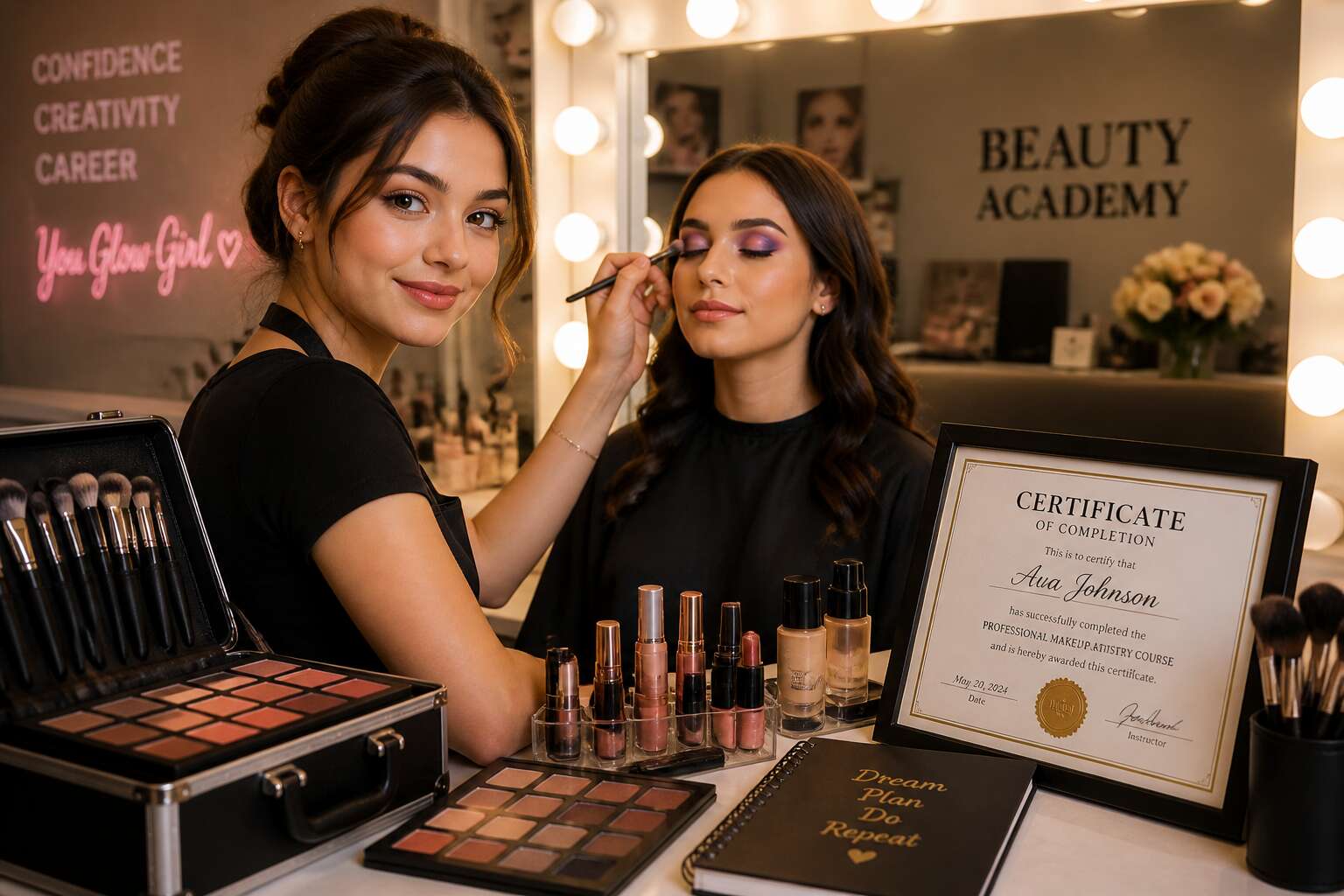
Understanding the Beautician Profession
The global beauty industry is worth over $500 billion, yet most people still mistake this profession for a series of pampering sessions. In reality, a beautician is part artist, part scientist, and part confidant. You learn skin chemistry, sanitation protocols, and the delicate art of reading a client’s mood before they even speak. Understanding this role means accepting that your hands will hold more than brushes; they will hold stories of weddings, breakups, and quiet insecurities.
This career demands a particular temperament. You need patience, yes, but also a stubborn commitment to hygiene and an empathy that does not drain you. Consider what the work truly involves:
- Working with diverse skin tones and types, each requiring individualised care.
- Managing time across multiple appointments while maintaining thorough attention.
- Staying updated on evolving products and techniques that directly affect client safety.
So when you research how to become beautician after 12th, remember that the certificate only opens the door. The real mastery comes from understanding the trust people place in your hands.
Prerequisites and Core Competencies
To start your journey, you need a National Senior Certificate (matric) with passes in English and Life Sciences. Most accredited colleges also require you to be at least 16 years old. But the real foundation goes beyond paper qualifications.
Core competencies matter just as much. You must be comfortable with constant physical contact, have steady hands, and possess an eye for detail. Hygiene standards are non-negotiable, as are communication skills for consulting clients about their needs.
Here is what trainers typically look for:
– Patience to handle long appointments
– Basic business acumen for future salon work
– Adaptability to new trends and products
– Emotional resilience for difficult clients
Knowing how to become beautician after 12th is simpler when you focus on these prerequisites and skills. Practical experience, even as an assistant, will sharpen your natural strengths.
Courses and Training Options After 12th
The first real step in how to become beautician after 12th is choosing your training pathway. South Africa offers a wide range of accredited options, from private academies in Sandton to public FET colleges in the Cape. Some courses stretch across three years, others compress into intense months of practice.
Here is what you can expect to study:
- National Certificate in Beauty Therapy
- Diploma in Somatology
- Short certificates in nail technology, lashes, or makeup
I spent a year at a small academy in Durban, and the choice shapes everything. A diploma carries more weight in hospital spas and medical aesthetics. A short course gets you working sooner, perfect for those who need an income while studying. Either way, verify that the school is registered with the Quality Council for Trades and Occupations. That single check protects your future!
Certification, Licensing, and Regulatory Requirements
Every journey into this industry is a test of resolve, not just a sequence of steps. When you figure out how to become beautician after 12th, the paperwork often feels like the true barrier to entry. It is the silent gatekeeper between passion and practice.
Certification is your first real commitment. It is not merely a piece of paper to hang on the wall. It is a formal declaration that you possess the manual dexterity and theoretical knowledge to touch another person’s skin. Without a recognised qualification, you are essentially a hobbyist. The regulatory landscape here demands you align with bodies like SABCA or ITEC. Your specific path depends on the province you reside in.
Once the certificate is in hand, the licensing phase begins. Here is the sequence that usually unfolds:
1. Complete your theoretical exams and practical assessments.
2. Register with your local municipal authority or the Department of Health.
3. Undergo a premises inspection to verify sanitation standards.
4. Pay the annual registration fee to maintain your status.
The inspection is often more stressful than the exams. There is a profound psychological weight to knowing that your hygiene protocols are being scrutinised; it forces you to respect the gravity of your work.
Regulatory compliance is an ongoing dialogue with the law. You must stay abreast of the Health Professions Act and local by-laws. This is not a static achievement. The moment you stop paying attention to the rules is the moment your career can be revoked. It forces a level of discipline that many underestimate. Respect the legal structure, or it will humble you. Renewing your certification is a recurring obligation, a reminder that your education never truly ends.

0 Comments